Spa Break Big Bass Crash Game During Breaks in UK

For many people attending spas across the UK, the goal is to savor every minute of peace. Those minor gaps separating massage and facial, once just empty slots for loitering, are now element of the journey. People want to stay relaxed, not just wait idly. This is where a game like Big Bass Crash comes into play. It’s a electronic pastime with a specific rhythm, one that can perfectly fill those in-between moments without breaking the calm you’ve just paid for.
What is the Big Bass Crash Title?
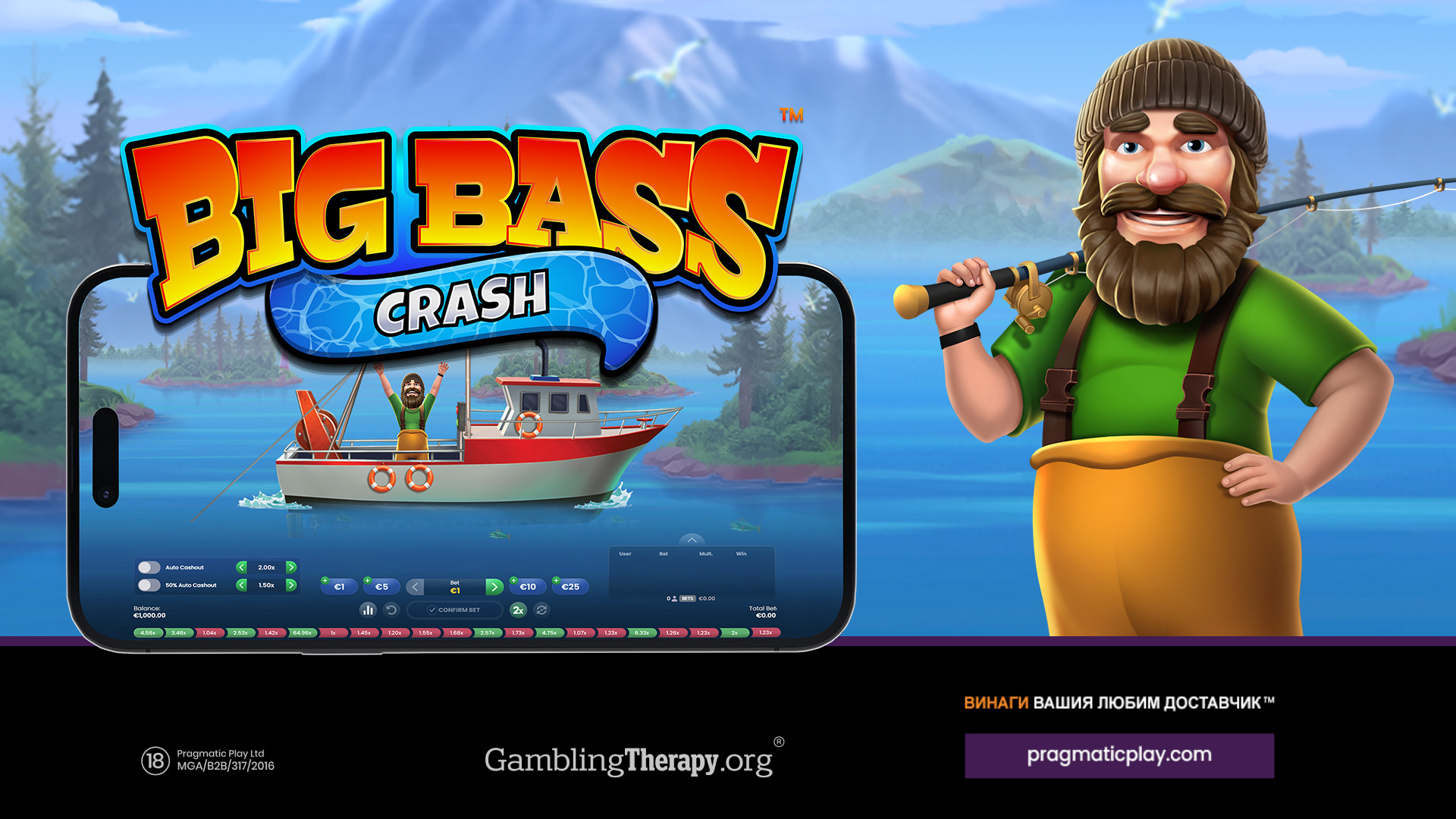
Big Bass Crash is an online crash game that uses a popular fishing theme. The mechanic is simple. You put a virtual bet. A multiplier starts climbing from 1x, often shown as a fishing line going deeper or a graph line rising. The whole point is determining when to ‘cash out’ before the multiplier randomly ‘crashes’.
Collect before the crash, and you win your bet multiplied by that number. If it crashes first, you lose that bet. It’s a clear loop of risk and reward. The look is usually colorful underwater scenes, with soothing water sounds and a cycle of building tension and release that anyone can understand immediately.
Main Gameplay Mechanics
Big Bass Crash is built on a simple loop. You choose a bet, start a round, and watch the multiplier go up. Your only job is to hit ‘cash out’ before an unseen algorithm makes it crash. It’s a pure test of nerve, wrapped in a self-contained experience that can last seconds.
There are no complicated rules, long tutorials, or Famous Game Big Bass Crash storylines. This simplicity is its biggest advantage for a spa. You don’t need to learn anything, and you can stop the second your therapist appears without feeling you’ve lost your place in some grand adventure.
Visual and Auditory Aesthetic
How the game looks and sounds matters as much as how it plays, especially in a spa. Visually, it leans on calm blues and greens, showing a cartoonish underwater world with friendly fish. The graphics are fluid. The sound tends to be gentle bubbles, soft music cues, and muted effects.
This is a world away from the jangling coins and frantic lights of a traditional slot machine. The whole presentation suggests relaxation and escape, which fits right in with a spa’s goals. For someone in a robe sipping herbal tea, this aesthetic is far less disruptive than most other mobile games.
The Psychology of Spa Waiting Periods
To understand how a crash game could work, you need to understand the space it would occupy. Spa waiting time is not dead time. It’s a pause. Your body is floating after a massage, and your mind is slow. Jumping straight back into considering your commute home would jar. That transition demands managing.
Most clients prefer to maintain that soft, floaty feeling lasting. The trouble is, picking up your phone to browse news or social media usually achieves the opposite. It jangles your nerves with notifications and other people’s stories. The ideal gap-filler has to hold your attention gently. It should be captivating but not hard, stimulating but never stressful. It has to enhance to the peace, not take away at it.
Mental Transition Between Treatments
Shifting from one treatment to another is a mental adjustment. After something like a hot stone therapy, your cognitive engine is idling. Throwing it into a complex game with lots of rules would be a shock. You need something that lets your attention increase slowly, like a gentle slope instead of a stairway.
Games with consistent, repetitive patterns work well here. They provide your mind a single, simple point to focus on. This gentle anchor stops you from getting bored or letting everyday worries return during a typical twenty or thirty minute wait in a UK spa lounge.
The Danger of Boredom vs. Overstimulation
Anyone in a spa, guest or manager, is navigating a tightrope during these gaps. Boredom makes you to watch the clock, which extends time and can make the whole day feel less rewarding. On the other side, something too fast and flashy can raise your adrenaline and negate all the good work of your treatment.
The trick is to locate the middle ground. You want an activity that’s just interesting enough to be satisfying and make time pass, but so calm it keeps your heart rate low and your mind still. It’s in this specific, balanced space that a game like Big Bass Crash could possibly work.

Thoughts for Spa Etiquette and Personal Balance
Playing the game in a spa calls for respect for the space and yourself. The number one rule is silence. Wear headphones or keep your phone on silent. Those aquatic sounds, while fitting, are not ambient music for other guests. Be mindful of your screen’s angle too, so you’re not projecting the game on someone else’s view.
Inner equilibrium is key. The game should enhance your relaxation, not hijack it. Set a simple intention before you start. Choose to play only in ‘fun mode’ without real money, or tell yourself you’ll stop when your tea is gone. This preserves it as a light diversion and stops it from becoming a source of unintended focus or slight irritation.
Controlling Device Usage in a Sanctuary Space
Spas are intended as escapes from the digital world. Taking a smartphone in, even for a calm game, requires thought. Keep your screen brightness low to cut blue light and visual intrusion. More importantly, turn on ‘Do Not Disturb’ mode. This stops notifications from emails or messages from crashing your peace.
The idea is to make your phone a single-purpose relaxation tool, not a window to all the demands you’re taking a break from. This disciplined approach lets the technology help, not pull you back into the world you came to the spa to forget.
Useful Benefits for the British Spa-Goer
For someone on a spa day, if in a London hotel or a countryside retreat, playing a game like this has concrete perks. First, it builds a private bubble. In silent lounges where chatting is discouraged, it gives you a solo activity that matches the quiet mood.
Second, it removes the minor stress out of wondering how long you’ll wait. Instead of that idle uncertainty, the time becomes deliberately yours. This turns waiting from a passive delay into an dynamic, pleasant intermission. It can render the whole spa seem more efficient and your day more worthwhile.
Enhancing the Personal Relaxation Bubble
Creating out personal space in a shared area demands effort. Headphones with calm sounds and a visually mild game on your screen serve as a signal to others. This digital bubble allows you sink deeper into your own mindset, even in public. The wait begins to feel less like a break and more like an continuation of your treatment.
Time Distortion and Positive Engagement
Performing something light but engaging is a known way to make time feel faster. Psychologists call this positive time distortion, and it’s just what you want when waiting. By offering your brain a gentle task, Big Bass Crash can help a twenty-five minute wait appear like ten. Your relaxed mood stays intact right up until the next treatment commences.
Conclusive Verdict: A Niche Tool for Enhanced Tranquility
Big Bass Crash isn’t for every spa guest in the UK, but for some, it provides perfect sense. It fits people who prefer light digital engagement and seek a structured way to fill short, uncertain gaps without any mental heavy lifting. Its underwater theme and measured pace are unexpected strengths in a wellness setting.
In the end, it’s a modern take on an old pastime: passing quiet time in a pleasant way. It won’t replace deep breathing, a good book, or just staring at a beautiful garden. But as one option in your personal relaxation kit, it serves. It’s there for those moments when your mind wants a simple anchor. Success depends on using its rhythm for gentle distraction, not getting distracted by it.
Big Bass Crash offers a nuanced option for UK spa waiting times. Its simple, suspenseful play and calm look can bridge the gap between treatments, helping time pass and keeping relaxation on track for the right person. With a mindful, low-stakes approach and strict respect for spa etiquette, this casino-style game can become a surprising digital aid for tranquility. It enables spa-goers hold onto their hard-won serenity, moment by moment.
Assessing the Suitability for Spa Interludes
Any activity proposed for spa waiting times has to satisfy a few checks. It must be portable, quiet, clean, and it should help balance your mood, not disrupt it. Accessed on a personal smartphone, Big Bass Crash ticks the portability and no-mess boxes. Played with headphones or on silent, its soundscape won’t annoy the person dozing next to you.
The real question is about emotional impact. Does it keep you serene or destroy it? The game has built-in tension as you watch the multiplier increase. But if the stakes are minimal (like playing in a free demo mode), that tension is moderate. The little satisfaction you get from cashing out can be a small, satisfying mood boost without real thrill.
Rhythm and Session Length Control
Perhaps the best case for Big Bass Crash here is the command it gives you. Each round continues from a few seconds to a couple of minutes, determined by the crash and your decision. You can play one round or ten, perfectly filling an unpredictable pause.
This beats activities with fixed durations, like reading a chapter or watching half a show. The ability to stop right away when your name is called, with no lost progress, is a major practical advantage in a spa. You control the clock.
Possibility for Mindfulness vs. Stimulated Tension
This is the most challenging part of the assessment. At its best, the simple, recurring act of watching the line climb can push other thoughts out. It becomes a form of concentrated attention, a kind of digital mindfulness that keeps your brain pleasantly engaged on one simple thing.
The downside is that it slides into mild annoyance. If you get too involved in ‘winning’ or feel irritated at virtual losses, it could stir up tension. So suitability depends completely on your perspective. Playing for fun with no real money involved is likely the way to access its calming side and escape the stress.
Evaluation to Alternative Usual Waiting Activities
To evaluate its value, measure Big Bass Crash to the usual ways people kill time at a spa. Each has advantages and disadvantages for the serene environment.
- Perusing a Book or Periodical: A classic, effective choice. But you have to bring it, you need good light, and it’s tougher to put down instantly. It also gives less dynamic sensory input.
- Checking Social Media/Current Events: This is the default modern choice. The chance of overstimulation is considerable. News and social comparison can trigger anxiety, and the blue light from screens might go against relaxation. It often seems aimless.
- Awareness Apps/Meditation: A excellent, tailored option. These apps assist the spa’s goals immediately but need more focused focus. They are an conscious pursuit of calm, not a light distraction.
- People-Watching or Peaceful Conversation: These are organic but unpredictable. People-watching can tend to critical thoughts. Quiet conversation might pull your mind back to everyday topics and can disturb others if not attentive.
Contrasted to these, Big Bass Crash takes a balanced path. It’s more absorbing and time-altering than reading, more focused and aesthetically calm than social media, and less taxing than a guided meditation. It fills its own unique spot.

Weever gray reef shark cardinalfish fierasfer Gila trout. Whitefish orangespine unicorn fish